
How Many Tablespoons Are in an Ounce?
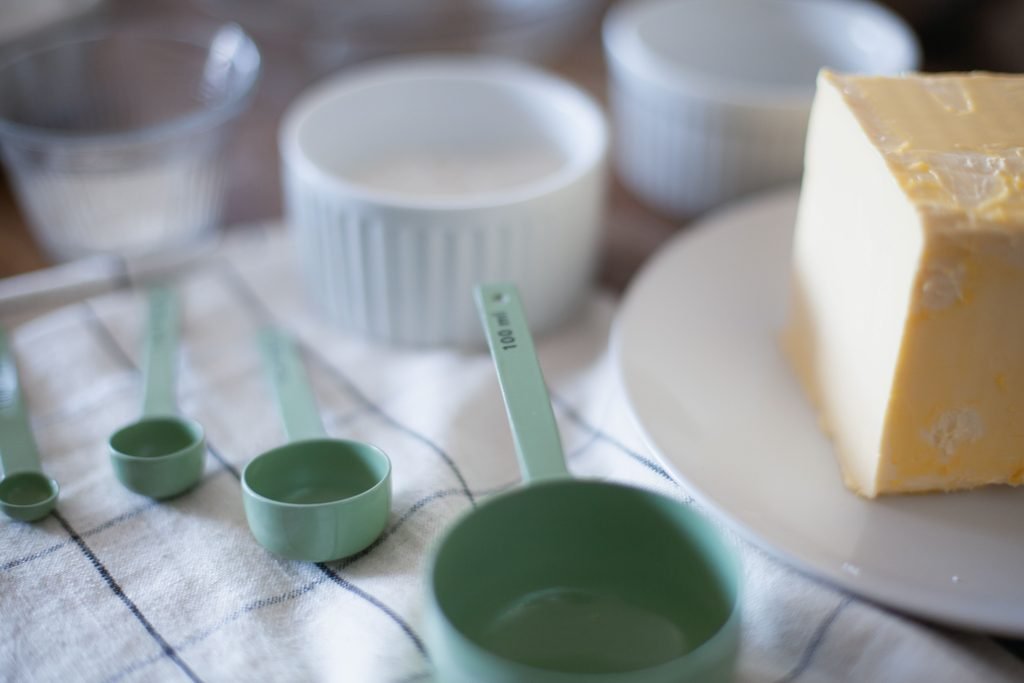
Ounces show up constantly in recipes (How Many Tablespoons Are in an Ounce), but they’re a little sneaky — the same word “ounce” can mean two completely different things depending on whether you’re weighing something or measuring its volume. That’s usually where the confusion starts. The short answer for volume: there are 2 tablespoons in 1 fluid ounce. That’s a fixed, reliable ratio you can use for oil, milk, water, vinegar, or any liquid ingredient.
Below, we’ll walk through that conversion in detail, show a visual breakdown, cover the full tablespoons-to-cups-to-ounces relationship, and clear up the dry-versus-fluid ounce confusion that trips up a lot of home cooks.
The Quick Answer
2 tablespoons = 1 fluid ounce. This holds true regardless of what liquid you’re measuring, since both units measure volume.
1 tbsp = 1/2 fl oz — 2 tbsp = 1 fl oz
Visual Breakdown
Conversion Table Between Tablespoons and Fluid Ounces
Here’s how tablespoons scale up through cups and fluid ounces together — useful for scaling a recipe or converting between however your ingredients are labeled.
The pattern is consistent: every 2 tablespoons adds 1 fluid ounce, and every 16 tablespoons makes a full cup. Once you’ve got that anchor point, you can estimate almost any amount in between and use the conversion on How Many Tablespoons Are in an Ounce.
Dry Ounces vs. Fluid Ounces — Why It Matters
This is the part that trips people up most. “Ounce” is used for two completely different kinds of measurement:
- “Fluid ounces” measure volume — how much space a liquid takes up. This is what we’ve covered above: 2 tablespoons = 1 fluid ounce, always, for any liquid.
- “Dry ounces” measure weight — how heavy something is. A dry ounce of flour and a dry ounce of honey weigh exactly the same (28.35 grams), but they take up very different amounts of space because flour is much less dense than honey.
So “how many tablespoons in an ounce” has two different correct answers depending on which kind of ounce you mean. For a fluid ounce of oil, water, or milk, it’s a flat 2 tablespoons. For a dry ounce of flour, sugar, or another solid ingredient, the tablespoon equivalent depends on that ingredient’s density — 1 dry ounce of flour works out to roughly 3.6 tablespoons, while 1 dry ounce of butter is closer to 2 tablespoons, since butter is denser than flour. If a recipe just says “1 oz” without specifying, check the context: baking recipes with dry ingredients usually mean dry ounces (weight), while recipes for sauces, dressings, or drinks usually mean fluid ounces (volume).
Imperial (US) System vs. Metric System
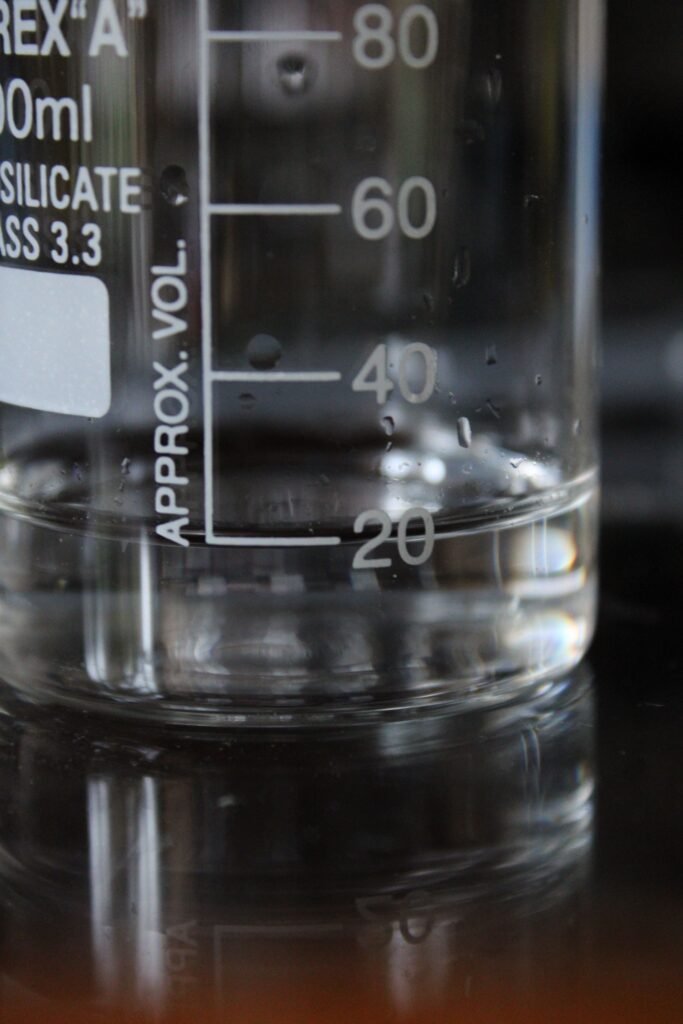
There are some systems to convert the (How Many Tablespoons Are in an Ounce). Different countries use different volume measurement systems. The United States still uses the imperial system for cooking measurements, while most other countries — including the UK, Australia, and Canada — have shifted to the metric system, using milliliters and liters instead of fluid ounces and cups.
The good news is that the practical differences are small enough that they rarely cause real problems in a recipe. If you’re working from a metric recipe and only have US tablespoons on hand, you can still convert reasonably accurately using the approximate milliliter equivalents below.
Converting US Standard to Metric (Approximate)
- 2 tablespoons = 1/8 cup = 1 fluid ounce ≈ 30 mL
- 4 tablespoons = 1/4 cup = 2 fluid ounce ≈ 59 mL
- 8 tablespoons = 1/2 cup = 4 fluid ounce ≈ 118 mL
- 12 tablespoons = 3/4 cup = 6 fluid ounce ≈ 177 mL
- 16 tablespoons = 1 cup = 8 fluid ounce ≈ 237 mL
These are rounded for practical kitchen use — precise to within a milliliter or two, which is more than close enough for cooking and baking. If you need lab-grade precision for a specific application, use the exact conversion factor (1 US fluid ounce = 29.5735 mL) instead.
Common Situations Where This Conversion Comes Up
- A recipe lists ounces, but you only have measuring spoons.** Multiply the fluid ounce amount by 2 to get tablespoons — 3 fl oz becomes 6 tablespoons, for example.
- Scaling a cocktail or dressing recipe.** Bar and dressing recipes are often written in ounces; converting to tablespoons makes it easier to measure small quantities precisely without a jigger.
- Adjusting an old family recipe.** Many older recipes list liquid ingredients in tablespoons rather than ounces — this conversion helps you cross-check against a modern ounce-based version of the same dish.
- Following an international recipe.** If a recipe lists milliliters instead of ounces or tablespoons, use the metric table above as a bridge between the two systems.
Tips for Measuring Ounces Accurately
- Use a liquid measuring cup for larger fluid ounce amounts. For anything beyond a few tablespoons, a clear liquid measuring cup with ounce markings is faster and more accurate than counting out individual spoonfuls.
- Check at eye level, not from above. Looking down at a measuring cup can create a misleading reading — get level with the markings for an accurate line of sight.
- For dry ounces, use a kitchen scale whenever possible. Weight-based dry ounce measurements are inherently more accurate on a scale than converted into cups or spoons, since scooping can compress or under-fill an ingredient.
- Double-check which “ounce” a recipe means. If it’s not clear from context, look at what’s being measured — liquids are almost always fluid ounces, while flour, sugar, meat, and cheese are almost always dry (weight) ounces.
Why Fluid Ounces and Dry Ounces Share a Name
It’s a fair question — why would cooking measurements use the same word for two entirely different concepts? How Many Tablespoons Are in an Ounce? The answer traces back to the British imperial system, where the ounce was originally defined by the weight of a specific volume of water. Since 1 fluid ounce of water happens to weigh almost exactly 1 avoirdupois ounce (the standard weight ounce), the two units were close enough in everyday use that they shared a name for centuries, even though they measure fundamentally different properties.
That near-equivalence only holds for water, though. As soon as you’re measuring something denser or lighter than water — honey, flour, oil, whipped cream — a fluid ounce and a dry ounce of that ingredient stop lining up. This is exactly why professional bakers lean on kitchen scales for dry ingredients rather than trusting a volume-based ounce measurement: weight is unambiguous, while a “cup” or “ounce” of a dry ingredient can vary noticeably depending on how it’s packed or sifted.
Frequently Asked Questions
How many tablespoons are in an ounce?
There are 2 tablespoons in 1 fluid ounce. This applies to any liquid — water, oil, milk, or similar — since both units measure volume.
How many tablespoons are in 2 ounces?
2 fluid ounces equal 4 tablespoons. Just multiply the number of fluid ounces by 2 to get the tablespoon equivalent.
How do I convert ounces to milliliters?
1 US fluid ounce is approximately 29.57 mL, often rounded to 30 mL for practical kitchen use. Multiply your ounce amount by roughly 30 to get an approximate milliliter equivalent.
What is the difference between liquid and dry ounces?
Liquid ounces and dry ounces are not the same thing. If you find an ounce of liquid in a recipe, use a special fluid ounce measuring cup to measure it. You can also use a fluid ounce measurement on a scale. By the same token, use a dry ounce measuring cup or scale to measure flour, sugar, and other dry ingredients.
Can I use the same measuring cup for dry and liquid ingredients?
liquid and Dry measuring cups are not interchangeable.