Ounces to Cups Converter (Oz to cups)
Ounces can measure either weight or volume, which is where most conversion confusion comes from. Fluid ounces convert directly to cups — 8 fl oz always equals 1 cup. Dry ounces depend on what you’re measuring, since weight varies by ingredient. Use the converter below and select the right type for your recipe.
Enter a measurement in ounces to calculate the volume in cups.
Do you want to convert cups to ounces or convert tablespoons instead?
Ounce Conversion Calculators
You can also convert ounces using one of our related converters below.
How to Use Ounces to Cups Converter
- Select Dry Ounces if you’re measuring a solid ingredient like flour or sugar, or Fluid Ounces if you’re measuring a liquid like water, milk, or oil.
- Pick your ingredient (Dry Ounces only). Since dry ounces measure weight, select the specific ingredient so the tool applies the correct density.
- Enter your amount. Type the number of ounces or cups you want to convert.
- Choose the direction. Use “Convert From” to set whether you’re starting with ounces or cups.
- Click Convert. Your result appears instantly below, along with an approximate fraction where relevant.
What Is an Ounce?
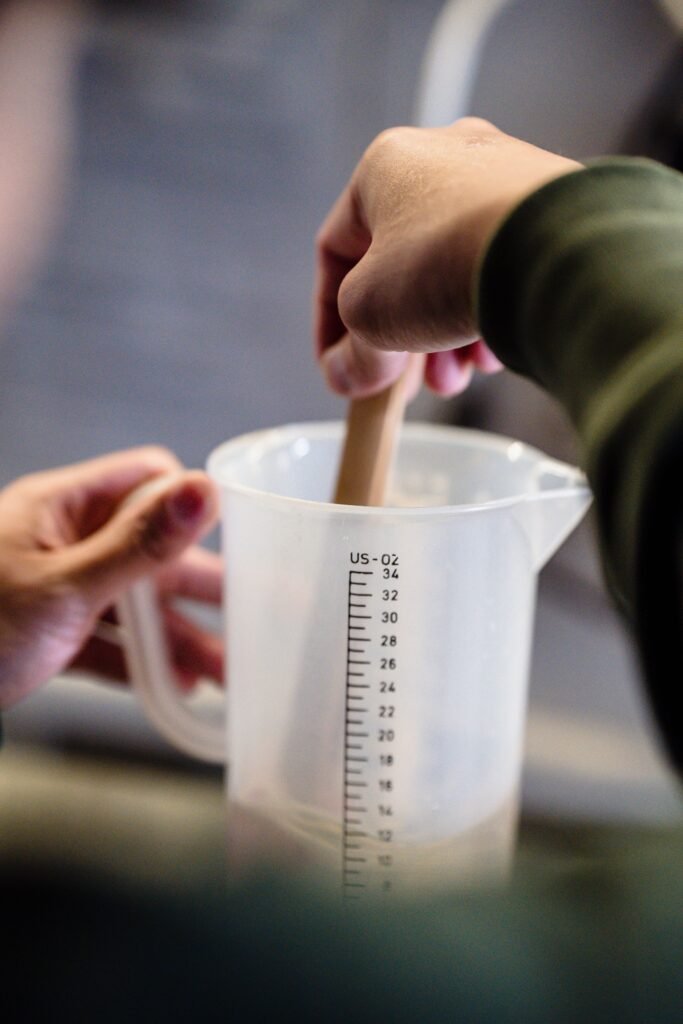
Ounce” refers to two different measurements depending on context. A fluid ounce (fl oz) is a unit of volume — 1 US fluid ounce equals about 29.57 mL, and 8 fluid ounces make up 1 cup. A dry ounce (oz) is a unit of weight — equal to 28.35 grams — used for solid or dry ingredients like flour, sugar, or meat. The two aren’t interchangeable, which is exactly why this tool asks you to choose a type before converting.
What Is a Cup?
A cup is a unit of volume equal to 16 tablespoons, 8 fluid ounces, or about 236.6 milliliters in the US customary system. It’s one of the most common measurements in home cooking and baking. If you are in the cooking business or you’re a bachelor, note that cup sizes aren’t identical worldwide — a metric cup is 250 mL, and a Japanese cup is only 200 mL — so if a recipe doesn’t specify, it’s usually safe to assume US customary cups unless the source is clearly international.
Ounces to Cups Formula
For fluid ounces, the conversion is fixed: Cups = Fluid Ounces ÷ 8. For dry ounces, weight varies by ingredient, so the formula is:
Fluid: Cups = Fl Oz ÷ 8
Dry: depends on ingredient density.
When to Convert Ounces to Cups
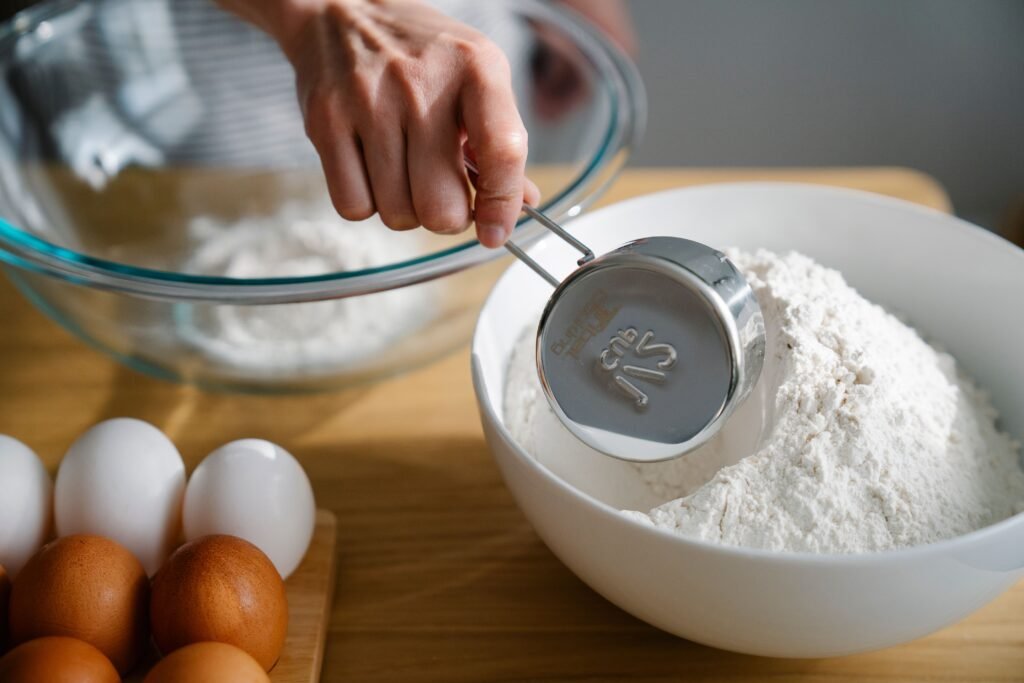
- A recipe lists ounces, but your measuring tools are marked in cups. Common with older cookbooks, bar recipes, and some packaged ingredient labels.
- Scaling a recipe up or down. Converting to cups makes it easier to use standard kitchen measuring cups rather than counting out ounces individually.
- Following an international recipe. Recipes from outside the US sometimes list liquid amounts in fluid ounces or milliliters instead of cups — converting bridges the gap.
- Checking a dry ingredient’s weight against a recipe written in cups. If a package lists weight in ounces but your recipe calls for cups, use the Dry Ounces mode with the correct ingredient selected for an accurate conversion.
- Doubling or halving a drink, dressing, or sauce recipe. These are often written in fluid ounces — converting to cups can make scaling quantities more intuitive.
Cups to Fluid Ounces Conversion Chart
Since 1 cup always equals 8 fluid ounces, this chart works for any liquid — water, milk, oil, or juice. For dry ounces, the ounces-per-cup value depends on the ingredient — see our Grams to Cups Converter, which includes weight conversions for common baking ingredients like flour, sugar, and butter.Dry Ounces by Common Ingredient
Since dry ounces measure weight, how many dry ounces fit in a cup depends entirely on the ingredient. Here’s how a single cup of common baking ingredients breaks down in dry ounces. This is exactly what the “Dry Ounces” mode in the converter above calculates automatically — select your ingredient, and it applies the correct density for you.Common Situations Where This Conversion Comes Up
Converting a recipe from ounces to cups, doubling a drink or dressing recipe listed in ounces, following an international recipe that lists mL instead, checking hydration/water intake goals given in ounces.
Frequently Asked Questions
How many cups are in 8 fluid ounces?
8 fluid ounces equals exactly 1 cup. This is a fixed relationship for any liquid, since both units measure volume.
How many cups are in 16 ounces?
16 fluid ounces equals 2 cups. Divide any fluid ounce amount by 8 to get the cup equivalent.
Is a dry ounce the same as a fluid ounce?
No. A fluid ounce measures volume — 8 fl oz always equals 1 cup. A dry ounce measures weight, so its cup equivalent depends on the ingredient’s density. Use the Dry Ounces toggle above and select your ingredient for an accurate result.
How many dry ounces are in a cup of flour?
1 cup of all-purpose flour is approximately 4.4 dry ounces (about 125 grams). This varies by ingredient — a cup of butter, for example, weighs closer to 8 dry ounces.
Why does my ounces-to-cups result look different for a solid ingredient?
If you’re converting a solid or dry ingredient (like flour, sugar, or butter), you’re working with dry ounces, which measure weight — not fluid ounces, which measure volume. Switch to the Dry Ounces option above and select the correct ingredient for an accurate conversion.
Need tablespoons or grams instead? Check our Tablespoons to Cups Converter or Grams to Cups Converter for ingredient-specific conversions.